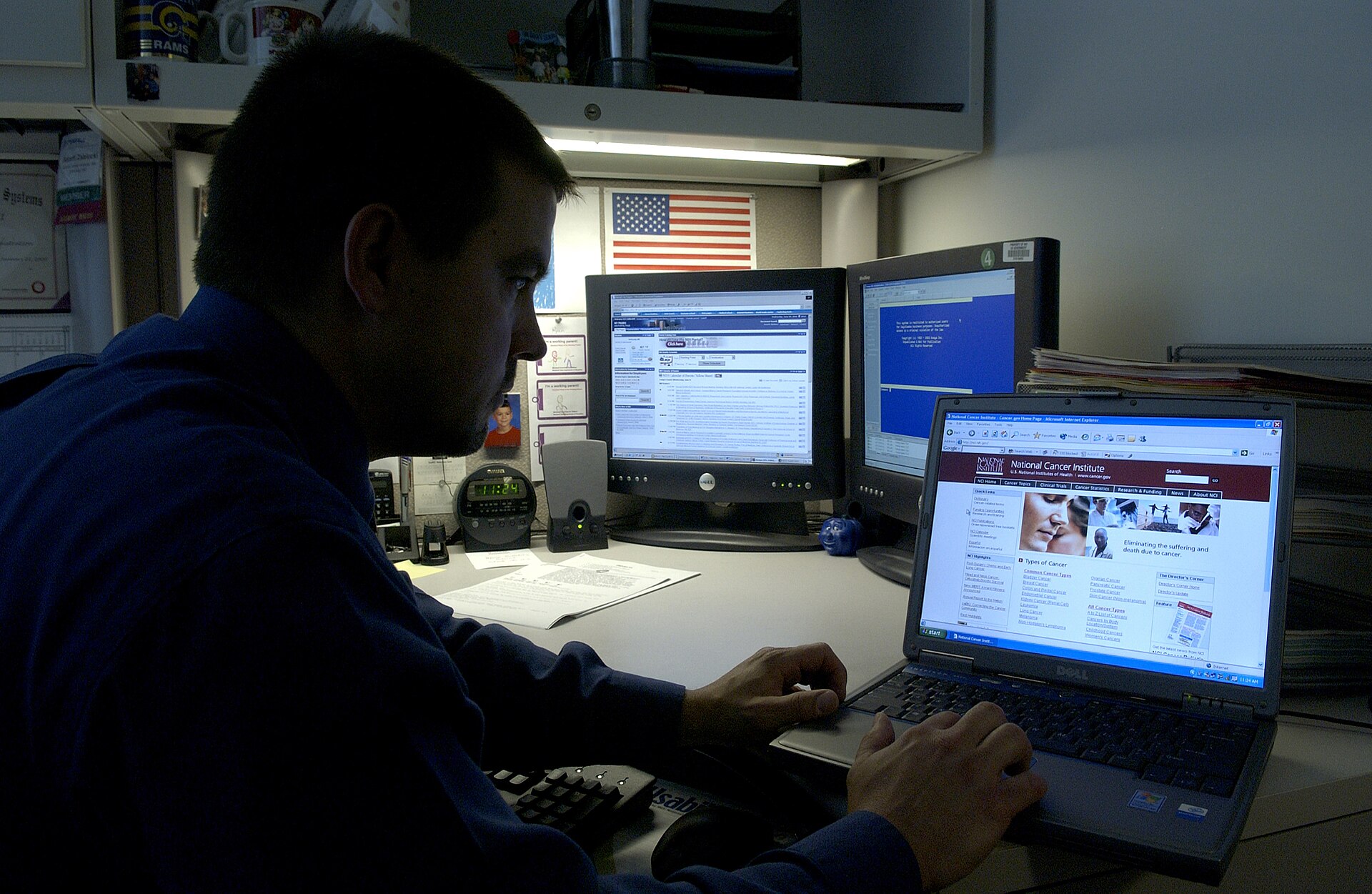
Despite decades of capable digital note-taking apps, physical paper notebooks continue selling in substantial volume, and understanding why so many people persist in choosing paper over considerably more feature-rich digital alternatives reveals something real about the actual limits of pure digital convenience.
Why Digital Note-Taking Offers Objectively Superior Features
Digital note-taking apps offer real, objective advantages – actual searchability, easy backup, and effortless sharing – capabilities that paper notebooks cannot match through any comparable technical means, making the continued popularity of paper notebooks somewhat counterintuitive from a purely feature-comparison perspective.
Moleskine alone sells tens of millions of notebooks a year, and that is before counting Field Notes, Leuchtturm1917, Muji’s plain notebooks and the enormous planner culture in Japan built around the Hobonichi Techo. Search-by-keyword, cross-device sync and instant backup are real, measurable advantages no paper notebook can offer, which makes the size of that paper market a strange thing for a purely feature-driven world to sustain.
The Cognitive Research Behind Handwriting and Retention
Cognitive research suggests that handwriting notes, compared to typing them, engages somewhat different cognitive processing that can improve retention and understanding for certain types of content, providing research-based support for paper’s continued appeal beyond purely nostalgic or aesthetic preference alone.
The most cited study here, out of Princeton and UCLA, found students who took handwritten lecture notes performed better on conceptual questions afterward than students who typed, even though the typists captured more total words. The theory is that handwriting is slow enough to force real-time summarizing and paraphrasing, while typing is fast enough to allow mindless transcription instead.
Why the Absence of Notifications Matters More Than People Initially Realize
Paper notebooks offer a distraction-free writing environment that digital devices, however disciplined a person tries to be, struggle to fully replicate, since a physical notebook simply cannot display a notification or tempt someone toward an unrelated app the way a digital device inherently, structurally can.
A phone on the desk, screen dark and silent, still manages to interrupt a train of thought just by existing there as a possibility. Notebook devotees describe a specific, almost physical settling that happens a few minutes into a longhand writing session, the kind of sustained focus that a buzzing pocket keeps quietly, persistently undermining even when nothing actually buzzes.
The Appeal of Unstructured, Freeform Thinking Space
Physical notebooks offer freeform space well suited to actual unstructured thinking – sketching, non-linear idea connections – that many digital note-taking apps, despite feature-richness, still struggle to replicate as naturally and intuitively as simple blank paper allows.
Ryder Carroll’s Bullet Journal method, essentially a set of conventions for turning blank pages into a flexible planner, spread almost entirely through word of mouth precisely because it works with a blank notebook’s total lack of imposed structure rather than fighting it. Try sketching a rough org chart or a messy mind map inside a digital app’s rigid text boxes and the limitation becomes obvious fast.
Why Some People Use Both Digital and Paper Systems Deliberately
Many committed notebook users do not reject digital tools entirely, but rather use paper deliberately for specific purposes – actual initial thinking and idea capture – while using digital tools for other purposes like actual reference storage and sharing, capturing complementary benefits from both approaches rather than committing exclusively to just one.
A common pattern among people who have settled into a hybrid system: paper for the first messy pass at a problem, then a photo of the page or a typed summary once the thinking has resolved into something worth keeping. The paper is disposable scaffolding; the digital copy is the archive.
The Emotional and Tactile Dimension Digital Tools Cannot Replicate
Paper notebook enthusiasts describe real tactile and emotional satisfaction from actual physical writing – the feel of a good pen on quality paper – a subjective but real experiential dimension that purely functional digital note-taking apps were never really designed to address or replicate in the first place.
Fountain pen enthusiasts talk about Tomoe River paper the way wine collectors talk about a specific vineyard, and there is a small but devoted market for notebooks bought purely for how a nib glides across the page. None of that has anything to do with productivity in the conventional sense, and all of it explains why so many stationery shops are still in business.
Why This Persistence Reflects a Broader Pattern With Analog Tools
Paper notebooks’ continued relevance reflects a broader pattern also visible in other analog technology persistence discussed elsewhere – analog tools often continue serving real, legitimate needs that purely feature-comparison thinking about digital alternatives fails to fully capture or adequately address.
Vinyl records, film cameras and mechanical watches all tell some version of the same story, each one technically outclassed by a digital successor and each one still finding a stubborn, sometimes growing, base of people who prefer the older thing on purpose. The pattern says something about what convenience alone cannot supply.
What This Persistence Suggests About Choosing Tools Thoughtfully
The persistent popularity of paper notebooks suggests that tool choice should reflect actual specific personal needs and preferences, rather than assuming more feature-rich digital alternatives automatically represent an universally superior choice for absolutely every person and every specific use case.
The point is not that paper is better than an app, or that everyone should abandon their note-taking software for a Moleskine. It is that the winning tool is rarely just whichever one has the longest feature list, and notebooks keep quietly proving that months after every trend piece declares them obsolete.